
Understanding Pancreatic Insufficiency and Its Impacts
Intro
Pancreatic insufficiency is a condition that may not get the spotlight it rightly deserves, yet its implications can broadly affect an individual's quality of life. At its core, this ailment occurs when the pancreas fails to produce sufficient enzymes required for proper digestion. This can lead to a range of health issues, including malnutrition, weight loss, and discomfort post meals. Understanding pancreatic insufficiency involves more than just recognizing symptoms—it demands a nuanced grasp of its underlying mechanisms, contributing factors, and the pathways toward effective management.
With the pancreas playing a significant role in digestion and metabolic function, exploring this condition opens the door to recognizing how our bodies process food and absorb nutrients. In this article, we will peel back layers of complexity surrounding pancreatic insufficiency, highlighting key concepts and terminology, findings from recent research, and potential avenues for future exploration. By the end, it is hoped that readers will gain a well-rounded comprehension of this condition, empowering them with knowledge for better health outcomes.
Key Concepts and Terminology
Understanding pancreatic insufficiency isn't just about symptoms; it also encompasses essential terms that play a critical role in this health condition. Here, we break down some key concepts and terms that are pivotal in this discussion.
Definition of Key Terms
- Pancreas: A gland situated behind the stomach responsible for producing digestive enzymes and regulating blood sugar through insulin production.
- Enzymes: Biological catalysts that facilitate the breakdown of food substances. Key digestive enzymes produced by the pancreas include amylase, lipase, and proteases.
- Malabsorption: A condition resulting from inadequate absorption of nutrients in the intestines, often a consequence of insufficient digestive enzymes.
Concepts Explored in the Article
- Causes of Pancreatic Insufficiency: We’ll discuss various etiological factors, such as chronic pancreatitis, cystic fibrosis, and pancreatic cancer, among others.
- Symptoms and Diagnosis: The article will detail the signs indicating pancreatic insufficiency and illuminate diagnostic methods like stool tests and imaging.
- Treatment Options: An overview of available treatments, including enzyme replacement therapy, lifestyle modifications, and nutritional strategies.
Findings and Discussion
Main Findings
Recent studies spotlight the significance of recognizing pancreatic insufficiency as a substantial health concern that remains underdiagnosed. Many individuals with the condition are unaware that their digestive struggles stem from inadequate pancreatic enzyme production. Here are some key points that emerge:
- Lifestyle Impacts: Patients often report issues with weight management due to malabsorption, highlighting the importance of dietary adjustment and enzyme supplementation.
- Nutritional Deficiencies: Individuals may experience deficiencies in fat-soluble vitamins (A, D, E, K) leading to secondary complications due to chronic malabsorption.
"Understanding pancreatic insufficiency provides a window not just into digestive health, but into the broader implications for overall wellness and nutrition."
Potential Areas for Future Research
While there is some understanding of pancreatic insufficiency, various areas are ripe for further exploration:
- Innovations in Enzyme Replacement Therapies: Investigating new formulations or delivery mechanisms that enhance absorption and efficacy.
- Long-term Health Outcomes: Longitudinal studies could shed light on how sustained treatment impacts health over time.
- Psychosocial Aspects: Addressing the emotional and psychological implications of living with a chronic digestive condition.
In summation, pancreatic insufficiency serves as a pivotal point of discussion in the field of digestive health. By delving into this complex condition, we not only enhance our understanding but also expand our capacity to manage it effectively, ensuring better health and nutrition for those affected.
Preamble to Pancreatic Insufficiency
Pancreatic insufficiency, a crucial yet often overlooked condition, holds significant sway over our digestive health. Many people do not connect their symptoms, such as bloating and weight loss, to pancreatic function. It is imperative to grasp the fundamental role of the pancreas in digestion and how its insufficiency can lead to various complications. Delving into this topic not only enhances our understanding of gastrointestinal health but also empowers individuals to seek appropriate care.
Definition and Overview
Pancreatic insufficiency refers to the pancreas's inability to produce adequate digestive enzymes necessary for proper digestion. This deficiency leads to malabsorption of nutrients, which can result in a host of health issues. Enzymes like amylase, lipase, and protease are vital for breaking down carbohydrates, fats, and proteins, respectively. When these enzymes are lacking, the body cannot adequately assimilate the food we consume, leading to nutritional deficiencies and a cascade of other health complications.
Importance of Pancreatic Function
The pancreas serves as a critical player in our digestive system. Its primary functions include:
- Producing Digestive Enzymes: These enzymes are crucial for breaking down macronutrients.
- Regulating Blood Sugar: Insulin, produced by the pancreas, is a key hormone for maintaining glucose levels.
- Supporting Nutritional Absorption: Effective pancreatic function ensures that the body absorbs essential vitamins and minerals.
Without proper pancreatic function, the risk of malnutrition increases. This is especially concerning as individuals may unknowingly suffer from deficiencies, leading to long-term health issues. As such, awareness and understanding of pancreatic insufficiency are essential for promoting health and well-being.
"Neglecting the pancreas is like ignoring the engine in a high-performance car. Without proper function, everything else can be thrown off balance."
In summary, recognizing the significance of pancreatic sufficiency is not merely an academic exercise. It's a pathway to better health outcomes, encouraging proactive management of one’s digestive health.
Anatomy and Function of the Pancreas
The anatomy and function of the pancreas are central to understanding pancreatic insufficiency. This organ plays a multifaceted role in digestion and metabolic regulation, making its health crucial for overall well-being. When the pancreas isn’t functioning properly, the ramifications can be significant, affecting nutrient absorption and metabolic pathways.
Structural Components of the Pancreas
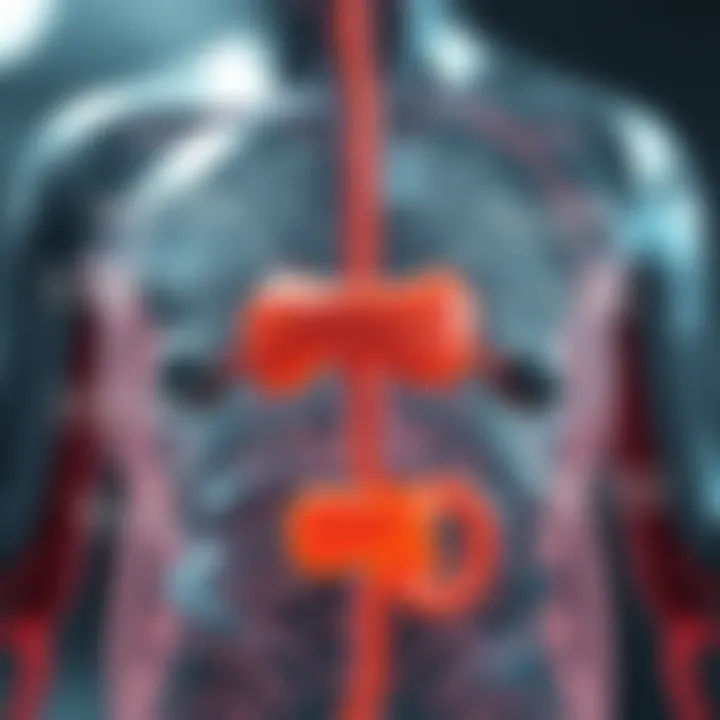
The pancreas, often tucked away behind the stomach, is a glandular organ that has both endocrine and exocrine functions. Its structure is relatively simple but vital for its many roles. The pancreas is divided into different regions:
- Head: The broadest part that sits adjacent to the duodenum (the first segment of the small intestine).
- Body: The central part that extends horizontally across the abdomen.
- Tail: The narrow end that is positioned close to the spleen.
These anatomical sub-regions house various cells crucial for digestion. The acinar cells produce digestive enzymes such as trypsin, lipase, and amylase, which are secreted into the small intestine. These enzymes are essential for breaking down proteins, fats, and carbohydrates, thus enabling nutrient absorption.
The islets of Langerhans represent the endocrine component, containing insulin-producing beta cells, among others. This setup emphasizes the dual role of the pancreas, not just in digestion but also in glucose regulation. If the anatomical structure is compromised, whether due to disease or injury, it could lead to insufficient enzyme secretion, causing digestive issues and complications.
Role in Digestion
The pancreas is, without a doubt, a heavyweight in the digestive process. It releases enzymes that play specific roles at different stages of digestion:
- Amylase: Kicks things off by breaking down starches into sugars, starting in the mouth but continuing its work in the small intestine.
- Lipase: Takes the baton when fats come into play. This enzyme specializes in breaking down dietary fats into fatty acids and glycerol, which can be easily absorbed by the intestinal lining.
- Proteases: Group of enzymes that, once activated, help digest proteins into smaller peptides and amino acids.
The active ingredients from the pancreas are secreted into the duodenum, where they mix with bile from the liver and food particles from the stomach. This cocktail of enzymes and digestive juices is crucial for effective digestion.
Pancreatic insufficiency, therefore, disrupts this finely tuned process, leading to malabsorption that can cause weight loss, fatigue, and other health issues. Recognizing the anatomy and function of the pancreas is key, especially for healthcare professionals, as it shapes the diagnosis and treatment approaches to pancreatic insufficiency.
"An understanding of the anatomy of the pancreas is essential, as it influences both the pathophysiology of pancreatic insufficiency and the clinic approach to its management."
Understanding these components can put one in a better position to grasp the larger implications of pancreatic health. For those dealing with or studying conditions related to the pancreas, this foundational knowledge is invaluable.
Mechanisms of Pancreatic Insufficiency
Understanding the mechanisms behind pancreatic insufficiency is crucial for grasping how the pancreas influences overall health and nutrition. This section delves into the complex workings of enzyme deficiency, the underlying pathophysiology, and the most common causes of insufficiency. This knowledge not only assists healthcare professionals but also empowers patients and their families to better navigate the challenges of this condition.
Pathophysiology of Enzyme Deficiency
Enzymes produced by the pancreas play a pivotal role in breaking down carbohydrates, proteins, and fats. In pancreatic insufficiency, a lack of these digestive enzymes means food doesn’t get digested properly. This leads to malabsorption and a cascade of digestive woes. When the pancreas fails to secrete sufficient amounts of enzymes, undigested nutrients make their way into the intestines. Consequently, patients may experience weight loss, steatorrhea—fatty stools, and abdominal discomfort, pointing to a significant disruption in digestion.
The situation can stem from various factors including damage to pancreatic tissue from inflammation or blockage. In essence, the failure in producing digestive enzymes can result from diseases like chronic pancreatitis or genetic disorders. Recognizing the pathophysiology behind enzyme deficiency helps tailor therapeutic strategies aimed at restoring healthy digestion.
Common Causes of Insufficiency
Diving deeper, it’s vital to identify specific reasons for pancreatic insufficiency to understand its broader implications. Here are key causes:
Chronic Pancreatitis
Chronic pancreatitis is a long-standing inflammation of the pancreas. It slowly digs its roots, leading to irreversible damage. This lasting injury leads to progressive loss of enzymes needed for digestion, causing people to battle dietary challenges. The key characteristic of chronic pancreatitis is its insidious nature; often, symptoms don’t surface until significant damage has occurred.
This condition is a popular discussion topic in gastrointestinal health circles since it underscores how lifestyle choices—like excessive alcohol consumption or smoking—can contribute to pancreatic decline. Additionally, while treatment may involve pain management and dietary adjustments, addressing the underlying cause is equally vital.
Cystic Fibrosis
Cystic Fibrosis showcases a genetic twist on pancreatic insufficiency. With this hereditary disorder, mucous production is abnormal thickened, leading to blockages in the pancreatic ducts, thereby stifling enzyme flow. The key characteristic here is that cystic fibrosis doesn't just affect digestion; it also has systemic impacts, influencing lung function and nutrient absorption.
This condition shows a unique feature notable for its dual challenge. Managing digestive symptoms requires not just enzyme replacement therapy but also attention to respiratory health. In this article, cystic fibrosis serves as a critical example of how a single genetic mutation can skew many physiological processes.
Pancreatic Cancer
Pancreatic cancer carries a heavier weight in the discussion for pancreatic insufficiency. This aggressive form of cancer can obstruct normal pancreatic functions, leading to enzyme deficiency. The critical aspect here is how symptoms often manifest late in the disease progression, making early diagnosis and intervention crucial.
The unique feature of pancreatic cancer revolves around its rapidly progressive nature and high mortality rates. Patients often face steatorrhea and abrupt weight loss as they traverse the dire road of cancer treatment. Including pancreatic cancer in this narrative adds weight as it highlights the importance of early detection and awareness, emphasizing more vigilance in symptoms related to pancreatic health.
Diabetes Mellitus
Diabetes Mellitus frequently intertwines with pancreatic insufficiency. In certain cases, the pancreas's inability to produce sufficient insulin can trigger a domino effect on digestive enzymes. The key characteristic of diabetes in this context is its reciprocal relationship with pancreatic health; poor management of blood sugar can exacerbate pancreatic insufficiency and vice versa.
In terms of unique features, diabetes presents a complex challenge replete with metabolic and digestive impacts. The management of both blood sugar and pancreatic enzyme levels becomes essential. Discussing diabetes mellitus within this framework reinforces the notion that pancreatic health should be a holistic concern, intertwining blood sugar regulation and enzyme production.
Understanding the multifaceted mechanisms behind pancreatic insufficiency aids in tailoring effective strategies for management and treatment. Recognizing specific causes allows for personalized approaches that ideally optimize digestive health and quality of life.
Symptoms and Diagnosis
The section on symptoms and diagnosis is crucial in understanding pancreatic insufficiency, serving as a bridge between the initial recognition of the condition and its validated assessment. Recognizing symptoms early can significantly decrease the complications arising from pancreatic insufficiency and facilitate timely intervention. Knowledge of symptoms equips both patients and healthcare professionals to act swiftly and effectively. The proper diagnosis can involve comprehensive investigations, ensuring that treatment addresses the root causes, yielding better long-term outcomes for patients.
Identifying Symptoms
Weight Loss
Weight loss emerges as a prominent symptom of pancreatic insufficiency, often manifesting despite the individual's attempts to maintain a healthy diet. This occurs because inadequate enzyme production leads to ineffective digestion, meaning nutrients from food are not absorbed as they should be. Weight loss plays a vital role in health because it can be a red flag pointing towards malabsorption issues. Highlighting the fact that weight loss can occur even when caloric intake is adequate makes it impactful; it underscores that the body is not harnessing the energy it needs from food.
While weight loss might initially be seen as a beneficial trait, especially in individuals concerned with obesity, it becomes problematic when it signifies a health issue. The unique feature of weight loss in this context is that it usually happens gradually, which might lead individuals to overlook it until other symptoms worsen. Understanding this allows health practitioners to observe the early signs of pancreatic insufficiency, making timely intervention possible.
Fat Malabsorption
Fat malabsorption significantly contributes to the symptoms of pancreatic insufficiency and is a core indicator of how well the digestive system is functioning. This symptom is characterized by the inability to adequately absorb dietary fats, leading to greasy, foul-smelling stools—known as steatorrhea. Such stools can provide valuable insight for diagnosis. Fat malabsorption points directly to inadequate enzyme levels, crucial for digesting fats.
What makes fat malabsorption particularly noteworthy is its link to nutritional deficiencies. Since individuals may find it difficult to gain necessary fats, they may also be lacking essential fatty acids required for overall health. Emphasis on fat malabsorption not only aids diagnosis but also informs treatment avenues.


Abdominal Pain
Abdominal pain can arise for various reasons, but in the context of pancreatic insufficiency, it often relates to challenges in proper digestion. This symptom frequently presents as a sharp or cramping discomfort, which can occur after meals. It is vital to highlight this point because it helps individuals connect their digestive troubles back to the root cause.
The unique feature of abdominal pain here is that it typically acts as a cue, prompting individuals to seek medical help. While the pain can be temporary or chronic, its unpredictable nature makes it an effective tool in diagnosing pancreatic issues. However, it’s important to be cautious as abdominal pain can mask other conditions, which requires a careful evaluation by healthcare professionals.
Bloating
Bloating is another notable symptom, often reported by individuals with pancreatic insufficiency. This uncomfortable feeling of fullness arises when gas builds up in the gastrointestinal tract due to poor digestion. Bloating is sometimes underestimated but plays a significant role in determining how a patient perceives their overall health. In the case of pancreatic insufficiency, bloating can signal inadequate enzyme levels.
Highlighting bloating as a symptom reinforces patients’ engagement in monitoring their digestive health. It’s a common issue, but in the context of pancreatic diseases, it serves as a cue that often pushes patients towards seeking a comprehensive evaluation of their digestive capabilities.
Diagnostic Procedures
Diagnostic procedures are integral in establishing a definitive diagnosis of pancreatic insufficiency. A methodical approach to understanding an individual's health history and current symptoms can yield insights vital for steering treatment.
Medical History Review
One of the first steps in diagnosing pancreatic insufficiency involves reviewing the individual’s medical history. This review acts as a foundational tool in recognizing patterns of symptoms and other health conditions that may contribute to the pancreatic issue.
The key characteristic of a medical history review is its ability to link present health issues with past medical events. It can highlight conditions such as chronic pancreatitis, cystic fibrosis, or a familial history of metabolic disorders. Its unique feature lies in the context provided through personal and family medical backgrounds, which can aid healthcare professionals in determining whether further testing is warranted.
Imaging Techniques
Imaging techniques play a pivotal role in visualizing anatomical structures related to the pancreas, often facilitating the identification of abnormalities. Common methods include ultrasound, CT scans, or MRI. These techniques help visualize pancreatic tissue and surrounding structures, making it easier to detect abnormalities like inflammation or tumors.
What makes imaging techniques particularly beneficial is their non-invasive nature. They provide critical information without the need for surgical interventions, enabling healthcare professionals to guide their treatment plans effectively. However, imaging alone may not provide a full picture, and additional testing might still be needed.
Enzyme Level Testing
Testing for enzyme levels in the blood or stool can be instrumental in confirming pancreatic insufficiency. Enzyme level testing evaluates the concentration of digestive enzymes, such as amylase and lipase. Low levels of these enzymes are often indicative of pancreatic dysfunction.
The distinct feature of enzyme level testing is its direct approach in assessing the pancreas's functional capacity. It provides objective data that can greatly influence treatment decisions. Nonetheless, it’s important to understand that enzyme levels can fluctuate, so testing may need to be repeated over time for an accurate assessment.
Stool Tests
Stool tests are another vital diagnostic procedure, primarily focusing on identifying malabsorption issues. By analyzing stool for fat content, healthcare providers can ascertain whether adequate digestion is taking place.
A key characteristic of stool tests is that they provide tangible evidence of how digestion is functioning on a day-to-day basis. Any abnormalities found in stool tests can provide direct insights into enzyme inefficiency. However, one should note that collecting stool samples might carry its own challenges for patients, both in convenience and discomfort.
Management and Treatment Options
The management of pancreatic insufficiency is a multifaceted endeavor that ensures not just the alleviation of symptoms but also a meaningful enhancement in the quality of life for those afflicted. Properly addressing this issue is essential, as it plays an integral role in overall health restoration. The aim here is to tackle the deficiency of digestive enzymes while also making the necessary dietary adjustments and addressing any underlying conditions that may be aggravating the situation.
Effective management and treatment options generally revolve around three pillars: enzyme replacement therapy, dietary modifications, and addressing the root causes of pancreatic insufficiency. This holistic approach not only seeks symptom relief but also strives at restoring the patient's nutritional status and improving their general wellbeing.
Enzyme Replacement Therapy
Enzyme replacement therapy serves as a cornerstone in managing pancreatic insufficiency. By supplying the body with synthetic digestive enzymes, this therapy compensates for the inadequate production by a dysfunctional pancreas. Patients often find relief from symptoms like bloating and diarrhea as these enzymes assist in the breakdown of carbohydrates, fats, and proteins, thus aiding in nutrient absorption.
This treatment involves taking pancreatic enzyme supplements—most commonly in capsule form—before meals. Typically derived from porcine pancreatic extracts, these supplements can be tailored to meet individual enzyme requirements. It’s worth noting that while effective, the therapy does require close monitoring and may demand dosage adjustments based on digestive function.
Dietary Modifications
Low-Fat Diet
Emphasizing a low-fat diet is crucial for managing pancreatic insufficiency. This dietary choice minimizes the burden on the pancreas, allowing for easier digestion. When fat intake is lowered, the risk of fat malabsorption is reduced, which can otherwise lead to uncomfortable symptoms and exacerbate malnutrition.
Low-fat diets typically consist of lean proteins, fruits, vegetables, and whole grains, making them a beneficial option. The unique aspect here is the body’s improved ability to absorb nutrients efficiently without overwhelming the digestive system. Although the advantages are many, some individuals may find it challenging to meet caloric needs solely with low-fat options, which could lead to weight loss if not monitored correctly.
Frequent Small Meals
Eating frequent small meals instead of the traditional three large meals can significantly benefit those with pancreatic insufficiency. This approach reduces the volumetric stress on the digestive system, thereby allowing it to process foods more easily. Each meal provides smaller, more manageable portions of nutrients, preventing the overwhelming feeling that larger meals could provoke.
The beauty of this strategy lies in its convenience and flexibility—it can accommodate personal preferences and schedules. However, it may require meticulous planning to ensure that these smaller meals provide a balanced nutrient profile, which isn't always an easy feat.
Supplementation Strategies
Employing supplementation strategies can further enhance the dietary management of pancreatic insufficiency. Vitamins and minerals are often needed beyond just the basic needs due to malabsorption. For instance, fat-soluble vitamins such as A, D, E, and K are critical but might not be adequately absorbed when there’s insufficient enzyme activity.
Using dietary supplements, specifically tailored to individuals, can fill these gaps. These supplements offer a targeted approach, providing nutrients that the body struggles to assimilate through diet alone. While they may present a solution, it’s vital for patients to consult healthcare providers to avoid exceeding recommended doses and to ensure the supplements align well with their overall treatment regimen.


Addressing Underlying Causes
Tackling the underlying causes of pancreatic insufficiency forms an essential piece of the puzzle in effective management. Understanding whether the condition arises from chronic pancreatitis, Cystic Fibrosis, or other factors can guide specific treatment interventions. For example, managing chronic pancreatitis might necessitate lifestyle changes, whereas addressing complications from Diabetes Mellitus could involve a more specialized approach focusing on blood sugar control.
Beyond enzyme replacements and dietary modifications, it’s pivotal to coordinate a management plan tailored to each patient's unique situation. This ensures not only symptom relief but also a commitment to improving long-term health outcomes.
Long-Term Implications and Complications
The long-term implications of pancreatic insufficiency extend far beyond mere digestive distress. Individuals grappling with this condition often find their overall nutritional status significantly compromised. This section delves into the critical ramifications, casting light on how the lack of essential digestive enzymes can lead to a cascade of health issues that no one can afford to overlook.
Impact on Nutritional Status
Pancreatic insufficiency severely impacts nutritional status due to inadequate digestion of macronutrients. With the pancreas failing to produce sufficient enzymes, the body struggles to break down carbohydrates, fats, and proteins effectively. This leads to malabsorption, a condition where the nutrients consumed are not absorbed into the bloodstream. Consequently, individuals may experience unintended weight loss, fatigue, and weakness.
Moreover, consistent malabsorption can trigger other complications. For instance, an inadequate intake of necessary calories and nutrients puts significant strain on the body, leading to alterations in metabolism over time. Understanding these implications is crucial for anyone involved in managing or studying this condition; it emphasizes the need for proactive dietary intervention and supplementation.
Potential Complications
Malnutrition
Malnutrition emerges as a dire consequence for patients facing pancreatic insufficiency. What’s unique about malnutrition in this context is not just the lack of calories, but the absence of essential nutrients that the body needs to function correctly. This often becomes a noticeable issue over time, as nutrient deficiencies develop
A key characteristic of this form of malnutrition is that it affects not just weight but also overall health, impacting muscle mass and immune function. This makes it particularly relevant for individuals who might already face challenges due to other health conditions. By recognizing early signs of malnutrition, such as significant fatigue or a noticeable drop in energy levels, the medical community can implement timely interventions to slow or halt deterioration.
Vitamin Deficiencies
Vitamin deficiencies, particularly of fat-soluble vitamins like A, D, E, and K, pose another critical aspect of pancreatic insufficiency. As the pancreas becomes less effective, the absorption of these vital vitamins diminishes. This can lead to a range of problems, including vision issues from vitamin A deficiency or bone health concerns linked to inadequate vitamin D levels. What makes this topic particularly interesting is how these deficiencies can manifest in surprisingly distinct ways, often mimicking other health concerns.
Many healthcare providers emphasize the integration of vitamin supplementation as a potential solution. While not a panacea, it can greatly aid those struggling with absorption challenges. So, recognizing the symptoms of vitamin deficiencies and connecting them back to pancreatic issues is crucial in helping patients regain their health.
Diabetes Management Challenges
Diabetes management challenges represent another layer of complexity for individuals with pancreatic insufficiency. As the pancreas is directly tied to glucose regulation, its dysfunction can complicate the treatment of diabetes. This becomes especially pronounced for those with a history of pancreatitis or pancreatic cancer, where insulin production may already be impaired.
One significant characteristic of these management challenges is that patients may experience fluctuating blood sugar levels due to their body’s diminished ability to process food. This unpredictability can lead not only to discomfort but also to serious complications if left unaddressed. Emphasizing the integration of strategic dietary choices and potential medication adjustments is critical in helping these individuals manage their diabetes better.
Understanding the link between pancreatic insufficiency and these long-term implications sheds light on the importance of comprehensive treatment plans.
Research and Future Directions
Research into pancreatic insufficiency is taking on increasing urgency as the healthcare landscape evolves. The complexity of this condition, with its multifaceted causes and implications, necessitates a robust body of research to develop effective diagnostic and treatment protocols. Understanding pancreatic insufficiency is not just pivotal for those currently affected; advancements in this area can inform future therapeutic strategies and enhance patient quality of life.
Innovative research helps unravel the biochemical pathways affected by enzyme deficiencies. This involves dissecting the roles of various enzymes in digestion, the genetic factors influencing these pathways, and the environmental catalysts that may exacerbate insufficiency. The aim is to create a comprehensive suite of interventions tailored to individual patient profiles.
Current Research Trends
Current trends in pancreatic insufficiency research are shining light on previously underexplored aspects of the condition. Researchers are keen on studying the relationship between gut microbiota and pancreatic function. Recent studies suggest that the composition of gut bacteria might influence digestive health and, consequently, the symptoms experienced by those with pancreatic insufficiency.
- Exploration of Microbiome Impact: There is increasing evidence that an imbalance in gut bacteria may worsen nutrient absorption, leading to malnutrition and other complications. Thus, tweaking the microbiome through diet or probiotics could yield beneficial results.
- Genetic Studies: Scientists are also looking at genetic predispositions to pancreatic insufficiency, particularly in individuals with chronic conditions like cystic fibrosis and genetic variances that affect enzyme production.
- Link to Metabolic Disorders: Additionally, understanding how pancreatic insufficiency intersects with metabolic syndromes and diabetes is becoming more prominent. Enzyme deficiencies can influence glycemic control, which presents a challenge for managing diabetes effectively.
Emerging Therapies
Emerging therapies are set to redefine the management approaches for pancreatic insufficiency. Traditional treatments, including enzyme replacement therapies, have been the cornerstone of care. However, ongoing research is paving the way for novel strategies that aim to address the root causes of the condition.
- Biologic Treatments: Investigations into biologic agents may help to mimic or stimulate pancreatic function. Such treatments could potentially enhance enzyme production or improve the efficiency of exogenous enzymes when they are administered.
- Nutritional Science Advances: Innovations in nutritional science also need attention. Personalized nutrition plans based on genetic makeup and current health status are being studied to optimize dietary intake, which could play a crucial role in symptom management.
Emerging therapies focus not just on symptom alleviation but also on addressing the underlying factors contributing to pancreatic insufficiency, marking a shift towards holistic care.
As with any evolving field, it is crucial for researchers and clinicians to work closely together, ensuring that new insights are translated into practical treatment options. Keeping students, researchers, and practitioners informed about these developments lays the groundwork for future breakthroughs in managing pancreatic insufficiency.
For further reading, visit Wikipeda for more on pancreatic function and insufficiency. Also, keep an eye on emerging studies published in peer-reviewed journals available through PubMed.
Closure
To wrap our exploration of pancreatic insufficiency, it becomes clear that this condition is far more than a mere medical footnote—it’s an intricate puzzle affecting individuals on multiple fronts. The pancreas plays a crucial role in digestion by producing enzymes vital for breaking down carbohydrates, proteins, and fats. When pancreatic insufficiency sets in, that balance is thrown off, leading to serious repercussions for one's health and nutrition.
Summary of Key Points
- Definition and Overview: Pancreatic insufficiency occurs when the pancreas does not produce enough digestive enzymes, leading to malabsorption.
- Importance of Pancreatic Function: The pancreas is essential for proper digestion and maintaining overall metabolic health. Its malfunction can have widespread effects on nutrition and energy levels.
- Symptoms and Diagnosis: Common symptoms include weight loss, malabsorption, abdominal pain, and bloating. Diagnosis involves a thorough medical history, imaging techniques, and specific enzyme tests.
- Management and Treatment Options: Treatment often hinges on enzyme replacement therapies, dietary modifications, and addressing the underlying causes to improve patient quality of life.
- Long-Term Complications: Awareness of complications like malnutrition and vitamin deficiencies is necessary to prevent more serious health issues down the line.
The Importance of Awareness and Treatment
Understanding pancreatic insufficiency is no trivial matter. It sheds light on the importance of recognizing symptoms early on and seeking professional help. A delay in diagnosis can lead to further complications, some of which can be mitigated or avoided with timely intervention. Furthermore, educational initiatives surrounding this condition can empower patients and healthcare providers alike to pursue better management strategies.
By fostering a deeper awareness of pancreatic health, individuals can take proactive steps in their dietary choices, engage in regular check-ups, and adhere to treatment regimens. This not only enhances their quality of life but also helps in maintaining overall health. In a world where knowledge is key, the path from understanding to actionable insights creates a better future for those grappling with pancreatic insufficiency.
As we conclude, it’s clear that pancreatic insufficiency warrants attention and respect. It is essential not only for medical professionals but also for society as a whole to recognize its impact and address it accordingly. For anyone interested in learning more or seeking support, resources such as the National Institute of Diabetes and Digestive and Kidney Diseases (NIDDK) and various support groups can offer additional information and guidance.